
Modelling, simulation and data
Physics-based and machine-learning models, validated against measurement and built to support a decision.
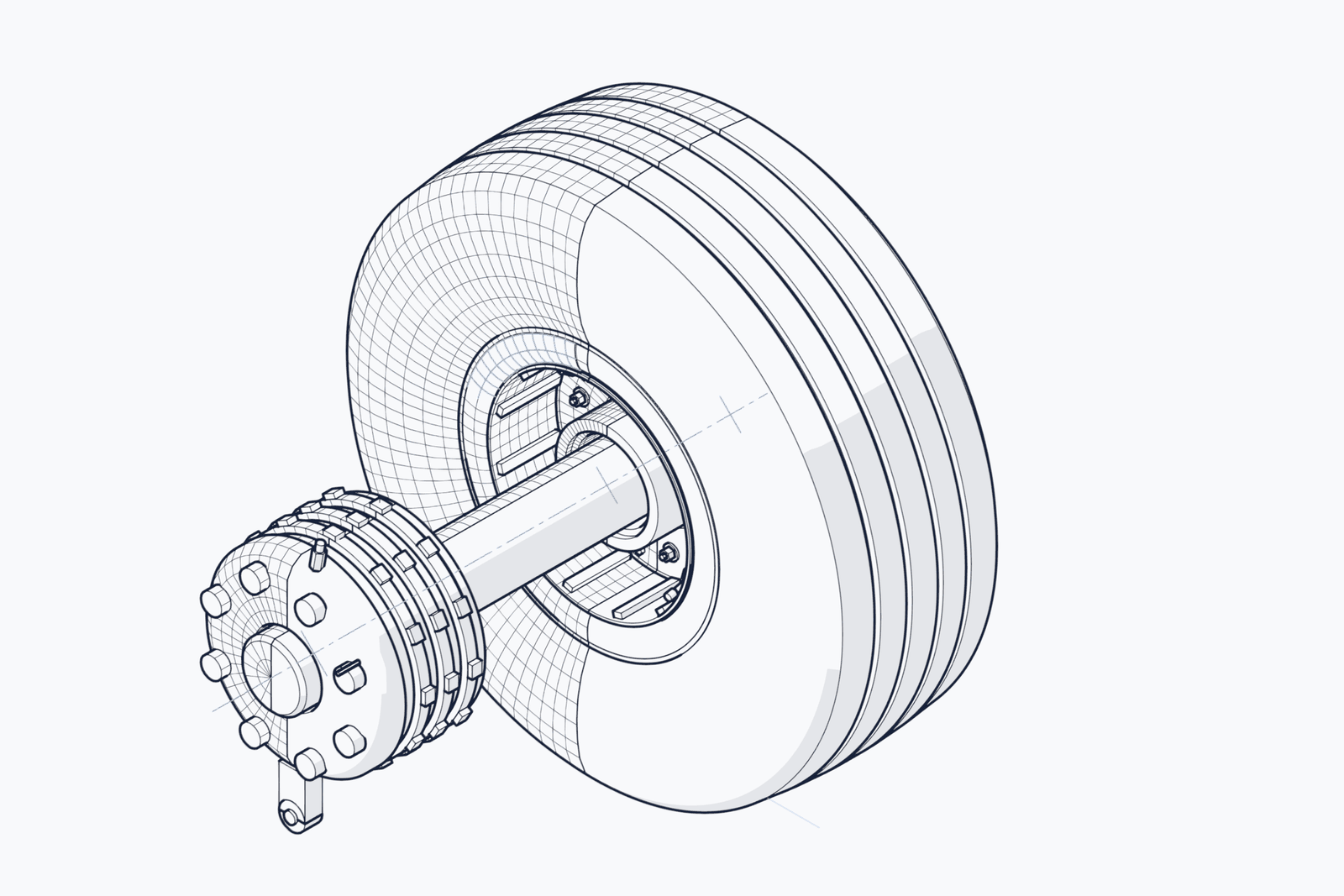
A model is useful when it answers a question that measurement alone cannot: what happens at a load you have not tested, in a location you cannot reach, or after a time you have not yet reached. We build physics-based models of heat flow, wave propagation, stress and degradation, and machine-learning models fitted to inspection and in-service data, and combine the two where data captures what the physics leaves out. We also run independent reviews that help you choose a technique before you commit to equipment. Modelling is one of the areas we work in, and it supports most of the projects we take on in the others.
Physics-based and machine-learning modelling
Physics models depend on boundary conditions and material properties that are often assumed, and machine-learning models can fail without warning outside the data they were trained on. We model conduction, convection and radiation, to support thermal monitoring and thermographic interpretation. We simulate how defects of known size and depth change a measured response, and invert that relationship to estimate defect size and depth from an inspection signal. Hybrid models use physics to constrain data-driven ones; they need less data and behave better outside the range they were trained on. Every model is tested against measurements it was not tuned to, and uncertainty in inputs, parameters and model form is propagated to the output. You receive a model description with assumptions and limits, model files or code, a validation report, an uncertainty statement and recommendations. Equipment: modelling workstations.
Digital twins and decision support
A digital twin is a model of a specific asset that is kept current with that asset's own data. We build it from the component geometry, a heat-transfer, structural or wear model, a live or periodic sensor feed, and the asset's inspection and maintenance history. Many twins stop at visualisation; ours answer a maintenance question: should this part be inspected, replaced or left in service, and when? A reasoning layer weighs component twin outputs, confidence and operational constraints using rules and knowledge models rather than opaque scoring, so every recommendation can be traced to its inputs. For autonomous vehicles and robots, twins test behaviour against faults and attacks that cannot safely be tried on the real system. You receive the twin architecture, documented models, decision rules, a validation report, integration interfaces and a handover pack.
Technology reviews and technique selection
Inspection and monitoring techniques are often chosen on supplier claims, a demonstration or habit, yet each has a physical basis that limits what it can detect, and one that works on one material or geometry may miss the defect that matters on another. We review the options against a requirement agreed with you, covering defect, material, access, environment and decision. We run sensing-gap analyses that rank what current inspections miss by risk, compare techniques on detection capability, depth, speed, access and cost, and grade readiness from early research concept to routine field use. Evidence is weighted by source: independent trials above supplier data, field results above controlled tests. Short trials can be added where desk evidence cannot separate options. You receive a landscape report, a sensing-gap analysis, a technique-selection report with comparison table, readiness grading and recommendations.
How we assure the result
Every model is checked against measurement, and its limits are written down. We build the simplest model that answers the question. Analytical models are fast and transparent but limited to simple geometry; numerical models handle real geometry at higher cost; data-driven models run fast but need representative data. A model that is too detailed for its data is hard to check and easy to over-trust. We state the inputs, the assumptions, the range over which the model has been validated and the uncertainty in its output, so the person using it knows when to rely on it and when to measure instead. Every model and review then follows the same five checks.
- Method review: model type, twin scope or review criteria are checked against the question, and agreed with you before work starts.
- Calibration: parameters are set from measured properties, calibration tests or data from the asset or a representative unit, not left at defaults; review scoring uses defined grades applied consistently across options.
- Verification against known cases: models are checked against analytical solutions, reference experiments, held-back measurements and past inspection findings, twin recommendations against past maintenance outcomes, and review claims against independent results where they exist.
- Review rounds: inputs, meshes, training data, model limits, decision rules and recommendations are checked in multiple rounds before anything is reported.
- Traceable records: model versions, inputs and validation data sets are archived together, every twin recommendation records the model version, data and rule that produced it, and every rating cites the evidence it rests on.